“statistics in psychology” You know how sometimes you catch yourself thinking, “Why do I (or why does everyone) act this way?” Maybe it’s why you snap at someone after a long day, or why certain songs instantly lift your mood. Statistics In Psychology tries to answer those questions, but it’s not just therapists nodding wisely or old Freudian ideas—it’s a real science that leans hard on numbers. Statistics is basically the translator that turns all our messy human feelings, behaviors, and thoughts into something we can actually understand, trust, and even use to feel better.
I’m not here to throw scary formulas at you or make your eyes glaze over. Instead, let’s just walk through why stats matter in psych, the main tools people actually use every day, how those numbers quietly change real lives (including yours), the honest headaches that come with them, and where things are heading next. Statistics In Psychology Think of this as a relaxed guide from someone who’s genuinely fascinated by it—not a textbook chapter.
1. The Basics: Why We Even Need Numbers in Psychology
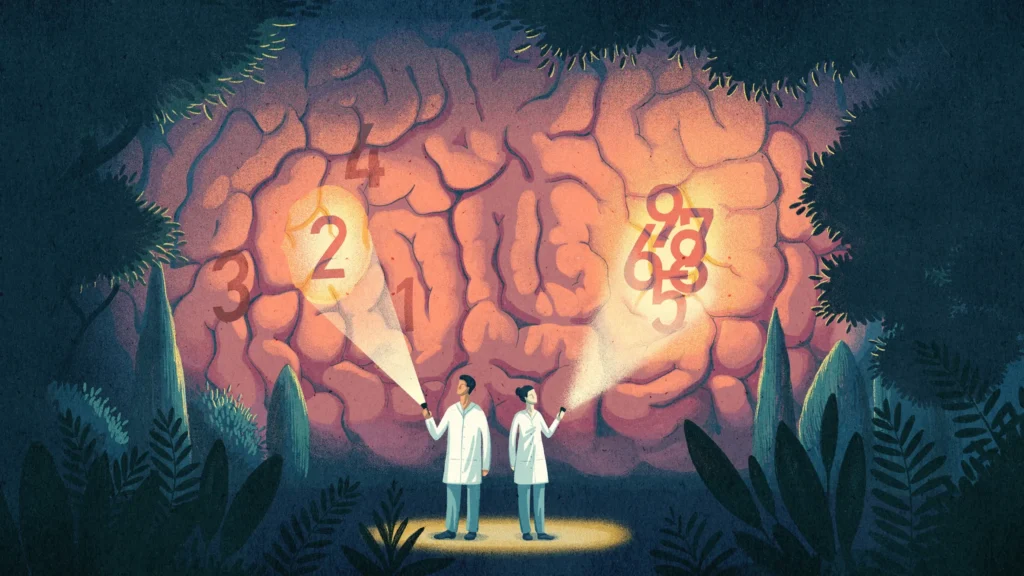
Human stuff is wonderfully all over the place. One friend rates their happiness an 8/10 today, another’s at 3/10 after the same week, and someone’s chilling right in the middle. Without stats, it’s just a bunch of personal stories and opinions. Statistics In Psychology With stats, we finally start seeing real patterns that aren’t just random noise.
Here’s what really matters:
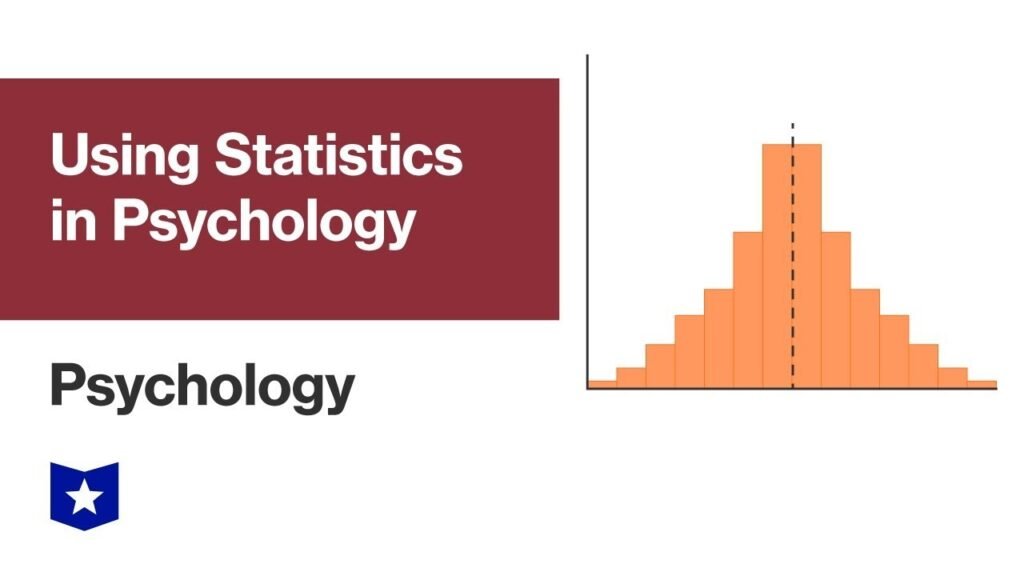
- Descriptive stats give you the quick, honest summary: What’s the average mood score in a group? What’s the middle value when things are skewed? How spread out are people’s answers? (That’s your mean, median, mode, range, and standard deviation in everyday language.)
- Inferential stats let you make smarter, bigger guesses: If therapy helped 100 people in my study feel noticeably better, what’s the chance it would help thousands more out there?
Without these tools, every psychology claim stays stuck at “I think” or “in my experience.” Stats gently push us toward “okay, the evidence actually points this way—and here’s how confident we can be.”
2. The Everyday Tools Psychologists Actually Use
These are the ones you’ll keep bumping into if you read psych papers, take a class, or just geek out on studies.
Quick rundown of the big ones:
- t-tests and ANOVA → Perfect for comparing groups. Does coffee actually make students more alert than no coffee? Statistics In Psychology Do three different therapy styles lead to different results? That’s their playground.
- Correlation & regression → They show connections and make predictions. Statistics In Psychology More exercise linked to less anxiety? Regression can even estimate roughly how much less while keeping things like age or stress levels in check.
- Chi-square → Handy for yes/no or category questions. Are women statistically more likely than men to seek therapy when they’re struggling?
- Factor analysis → This one’s genuinely cool—it helped boil down thousands of personality words into the Big Five traits (openness, conscientiousness, extraversion, agreeableness, neuroticism) by finding which ones cluster together.
These days, good researchers don’t just chase tiny p-values like they’re lottery tickets. Statistics In Psychology They also report how big the real-world difference is (effect size) and give a sensible range where the true number probably lives (confidence intervals). Statistics In Psychology It feels way more honest and useful that way.
3. Where This Stuff Actually Changes Things
Stats aren’t locked away in academic journals—they quietly shape what therapies get funding, how schools teach kids, even how your phone app gently nudges your mood on a rough day.
Real examples:
- Meta-analyses (basically smartly combining dozens or hundreds of studies) finally convinced the field that cognitive behavioral therapy (CBT) really does help a lot with depression and anxiety—not perfectly for everyone, but enough to make it a go-to recommendation.
- In schools, stats showed that kids who develop a “growth mindset” (the belief that they can improve with effort) tend to do better over time—so teachers started weaving that idea into lessons and feedback.
- At work, stats help spot hidden biases in hiring processes or predict who might be heading toward burnout before it hits hard.
- Even those mood-tracking apps on your phone use basic stats behind the curtain to notice your patterns and sometimes whisper, “Hey, this week looks tough—maybe reach out to someone?”
It’s exactly why we’ve moved away from outdated or even harmful old treatments—the numbers showed they just didn’t hold up when tested properly.
4. The Honest Struggles (Because Nothing’s Perfect)
Psychology got a pretty humbling wake-up call around 2010–2015 with the “replication crisis.” Statistics In Psychology A bunch of famous, headline-grabbing findings didn’t hold up when other researchers tried to repeat them. Ouch.
Common pitfalls that caused trouble:
- Tiny samples that make results wobbly and unreliable
- “P-hacking” (quietly tweaking analyses until something looks “significant”)
- Only publishing the exciting positive stuff while the boring “nothing happened” results stay in the file drawer
- Most classic research done on WEIRD folks (Western, Educated, Industrialized, Rich, Democratic), so the findings don’t always travel well to other cultures or lives
The good news? The field is actively fixing it: pre-registering studies so you can’t secretly change the plan halfway through, openly sharing data and code, using bigger and more diverse groups of people, and leaning into Bayesian stats (which feel more natural—like gradually updating what you believe as fresh evidence rolls in).
5. What’s Coming Next (It’s Pretty Exciting, Honestly) Statistics In Psychology
The future feels faster, kinder, and more connected thanks to tech.
Stuff already on the horizon:
- Machine learning quietly spotting early warning signs of trouble from patterns in how people text, scroll, or post
- Wearables quietly tracking real-time mood and sleep data so stats can catch day-to-day shifts instead of just snapshots
- Network models that show how symptoms link up (like poor sleep feeding anxiety, which feeds isolation, which makes sleep worse)
- Way more open science so anyone (including skeptical outsiders) can check, question, and build on the work
It’s heading toward being more precise, more inclusive of different lives and backgrounds, and a whole lot more transparent.
So yeah—that’s psychology statistics in a nutshell. It’s really not about reducing people to cold numbers; it’s about using numbers to listen more carefully to what people are actually experiencing and going through. Statistics In Psychology Next time you scroll past a psych study headline, you’ll know there’s usually some solid (and sometimes still shaky) stats doing the heavy lifting behind it.
If you’re studying this stuff or just curious like I am, start super simple: track your own mood for a week, calculate a quick average, make a little graph on your phone, and see what pops out. Statistics In Psychology It grows on you surprisingly fast.